
Support for every stage of life
We provide a full range of specialist support to individuals and their families from early childhood right through to adulthood. Every person is unique, which is why every plan we create is tailored around your goals, your strengths and your life.
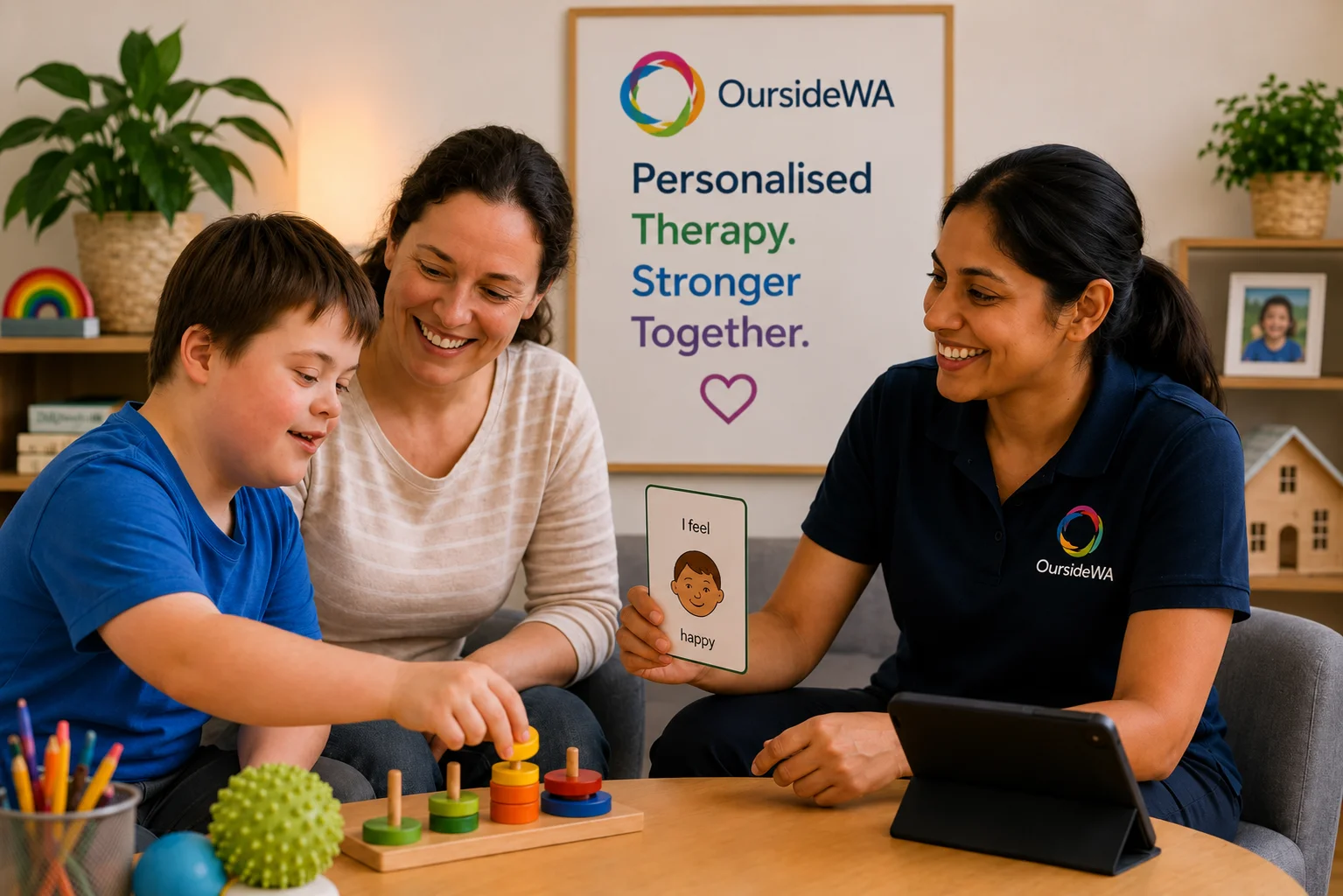
Supporting individuals & families
A full spectrum of person-centred services, designed around you.
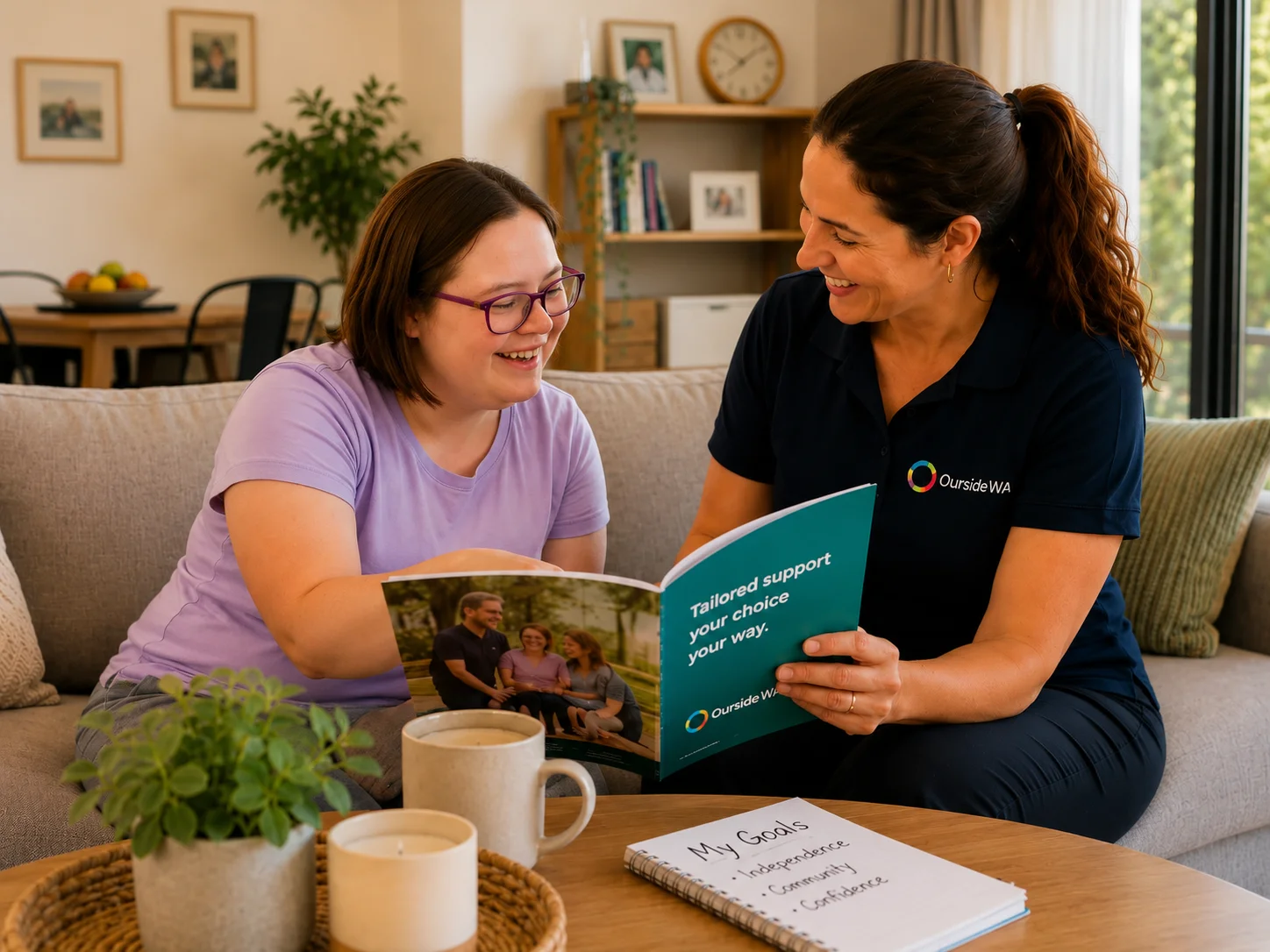
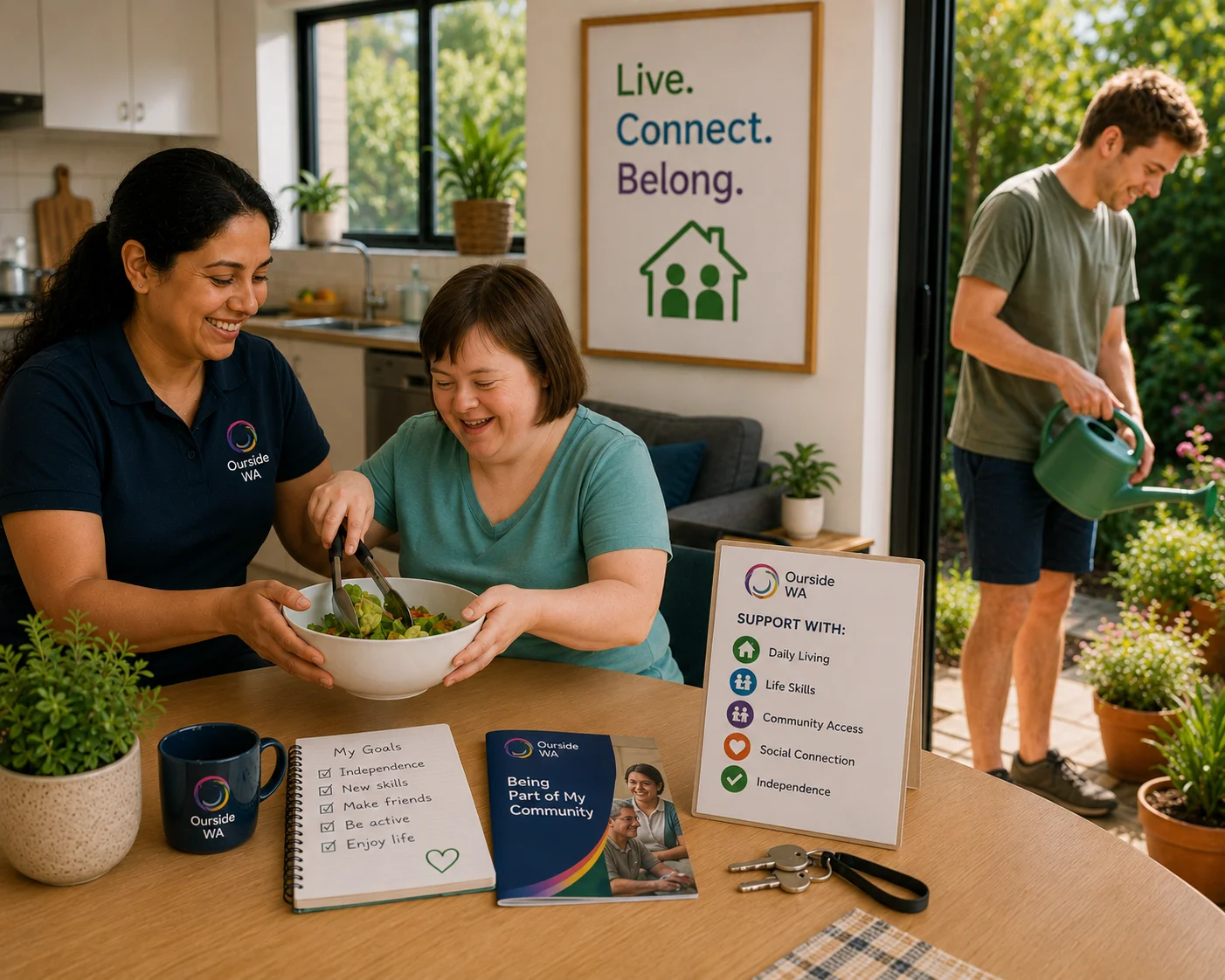
Support at every age
From the earliest years through to adulthood, our support is tailored to each life stage.
.webp)
Early Childhood (up to 7)
The early years shape everything that follows. Our family-centred early intervention support helps young children build the foundations communication, play, movement and connection while empowering parents and carers with practical strategies for everyday life.
- Early intervention & developmental support
- Play-based therapy and learning
- Communication & social skill building
- Coaching and support for families & carers
- School readiness and transition support
.webp)
Children & Adolescents (8–17)
The school years are full of growth, friendships and change. We support children and teens to build skills, confidence and independence at school, at home and in the community and help them navigate transitions with the right support around them.
- School & learning support
- Friendships & social participation
- Independence & life-skills development
- Behaviour & wellbeing support
- After-school & holiday programs
.webp)
Adults (18+)
Adulthood is about choice, independence and living life your way. We support adults to pursue their goals from independent living and employment to community participation and everyday wellbeing with support that adapts as life changes.
- Supported independent living
- Community participation & social connection
- Employment pathways
- Daily living & personal care
- Skill building, recreation & wellbeing
Specialised Areas
Autism is our primary area of specialisation. We provide person-centred autism support for individuals and families across Western Australia built on understanding, respect and strengths.
Autism support, centred on the person
We walk alongside autistic people and their families at every age and stage celebrating strengths, embracing difference, and tailoring support to each individual’s goals.
A different way of experiencing the world
Autism, or Autism Spectrum Disorder (ASD), is a lifelong neurodevelopmental condition that shapes how a person communicates, relates to others and experiences the world around them.
It isn’t an illness or something to be ‘fixed’ it’s a different way of thinking, sensing and interacting. Every autistic person is unique, with their own blend of strengths, challenges and perspectives. That’s why we talk about autism as a spectrum: no two autistic people are exactly alike.
Difference, not deficit
Autism is part of the natural diversity of human minds an idea often called neurodiversity. Autistic people may experience the world differently, and those differences often come with real strengths. Understanding autism means shifting from “what’s wrong” to “what does this person need to thrive”.
It’s a spectrum
Autism affects every person differently from those who need significant daily support to those who live fully independently.
It’s lifelong
Autism is present from early childhood and continues throughout life, though support needs can change over time.
Strengths matter
Many autistic people have remarkable strengths focus, memory, honesty, creativity and unique perspectives.
Everyone is unique
There is no single way to ‘look’ or ‘be’ autistic. We support the individual in front of us, never a label.
What to look for
Autism can present in many different ways, and signs often appear in early childhood though some people aren’t identified until much later in life. Recognising them early can open the door to support that makes a real difference.
Social communication
- Differences in eye contact, gestures or facial expressions
- Finding back-and-forth conversation or social cues tricky
- Preferring to play or spend time alone
- Delayed speech or language development
Routines & interests
- A strong preference for routine and predictability
- Repetitive movements such as rocking or hand-flapping
- Deep, focused interests in particular topics
- Distress when routines or surroundings change
Sensory experiences
- Heightened or reduced sensitivity to sound, light, touch or taste
- Feeling overwhelmed in busy or noisy environments
- Seeking out particular sensory experiences for comfort
Every autistic person is different, and having some of these signs doesn’t necessarily mean a person is autistic. A professional assessment is the best way to understand an individual’s needs.
Separating myth from fact
Misunderstanding can create barriers. Here are some common myths about autism and the facts that set the record straight.
Myth: Autism is a disease that can be cured.
Fact: Autism isn’t an illness it’s a lifelong way of experiencing the world. The goal is understanding and support, not a ‘cure’.
Myth: Autistic people don’t want friends or relationships.
Fact: Many autistic people deeply value connection they may simply communicate and build relationships in their own way.
Myth: Autism is caused by parenting or vaccines.
Fact: Research consistently shows autism is shaped by genetics and brain development. It is not caused by parenting or vaccines.
Myth: All autistic people are the same.
Fact: Autism is a spectrum. Strengths, challenges and support needs vary enormously from one person to the next.
Myth: Autistic people can’t live full, independent lives.
Fact: With the right understanding and support, autistic people thrive in work, study, relationships and community life.
Myth: Autism only affects children.
Fact: Autistic children grow into autistic adults. Meaningful support matters at every stage of life.
How we support autistic people & families
At Ourside WA, autism is our primary area of specialisation. We support autistic individuals and their families with person-centred care that builds on strengths at every age and stage.
- Early intervention for young children and their families
- Communication support, including AAC for complex communication needs
- Positive Behaviour Support tailored to the individual
- Building social, life and independence skills
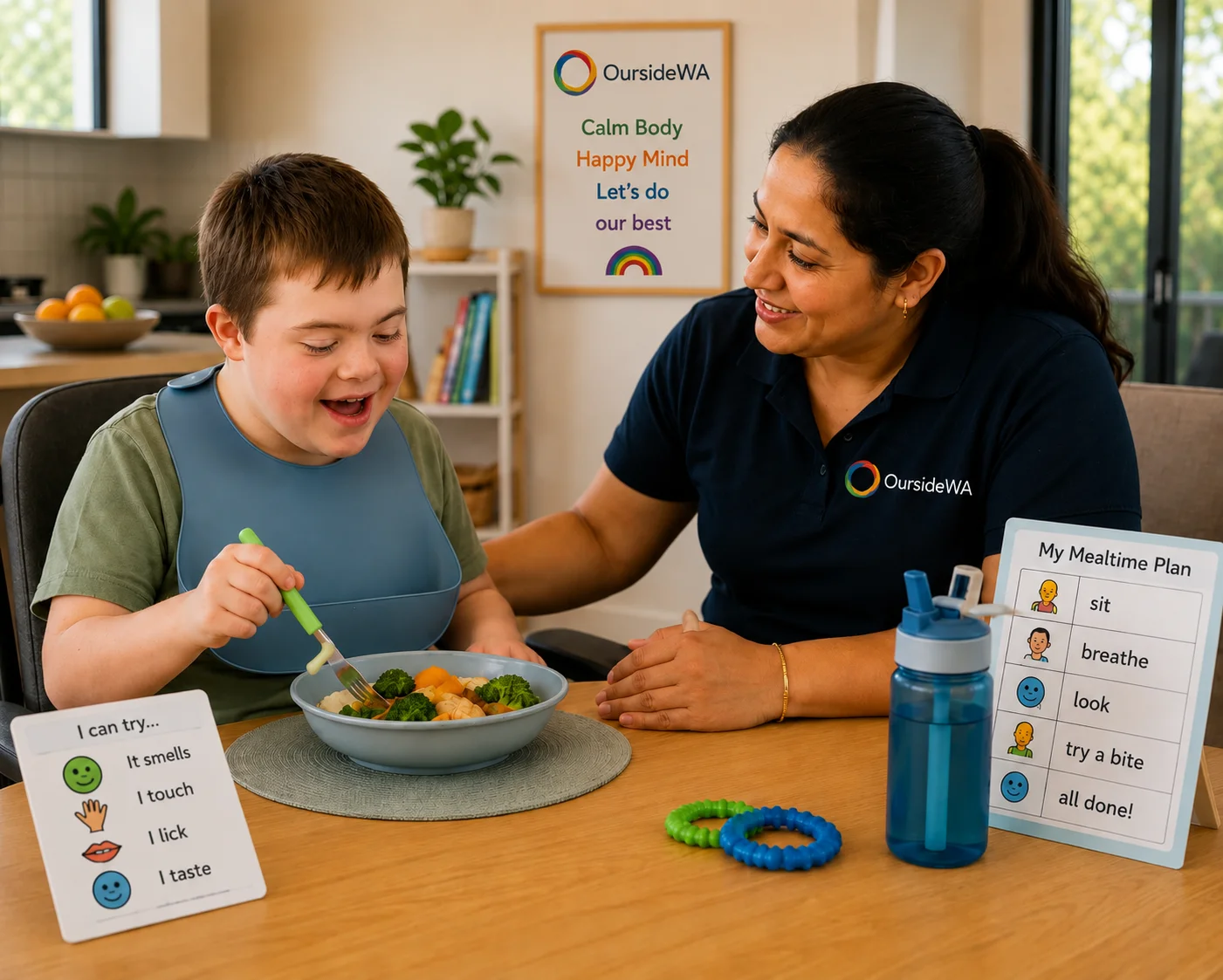
- Sensory and mealtime support
- School, learning and transition support
- Guidance and resources for parents, carers and support networks
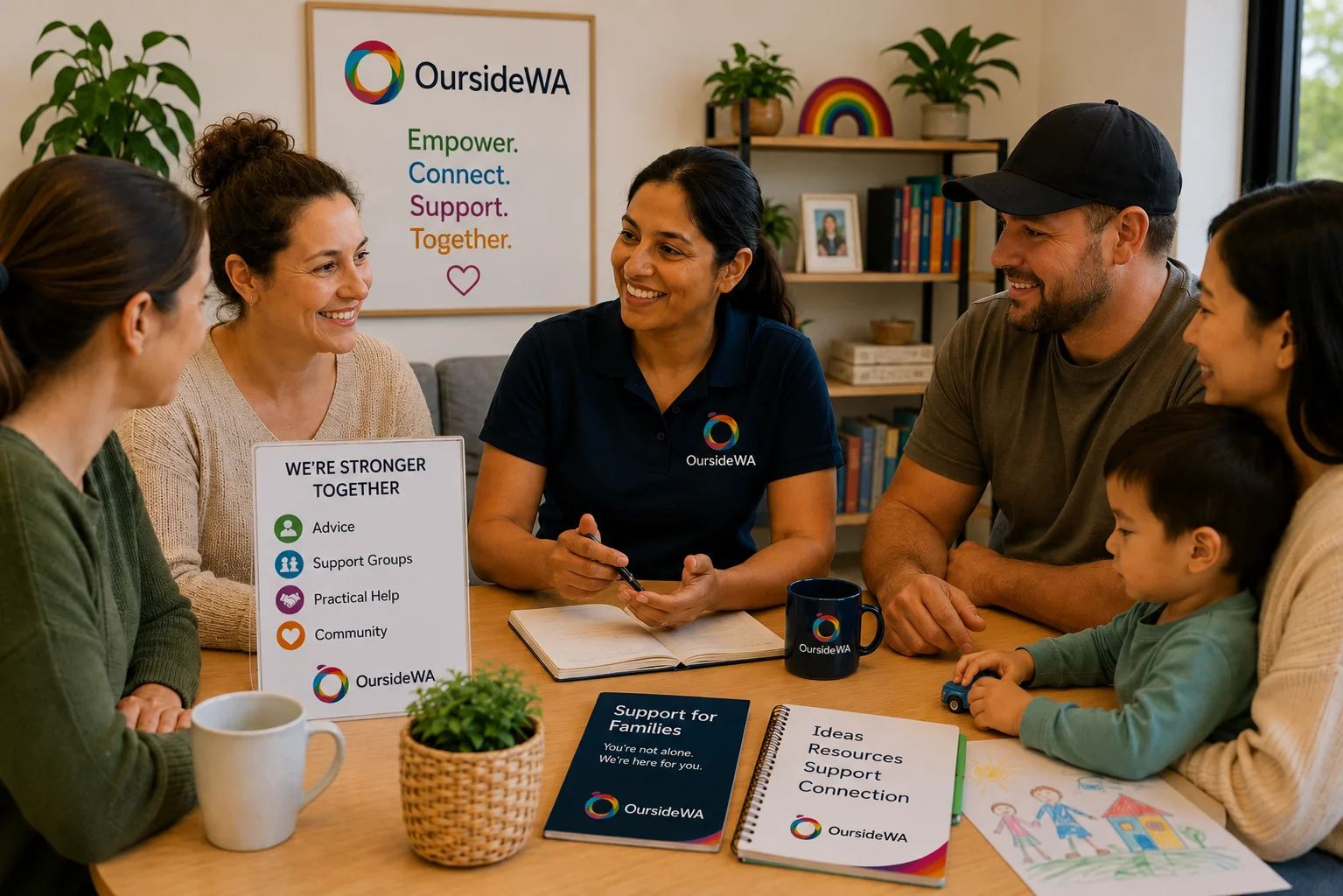
Specialist support that often goes hand in hand
.webp)
Other ways we can support you
We deliver a broad range of NDIS supports. If you don’t see what you’re looking for, just ask we’re happy to help.
- Assistance with Daily Living
- Community Participation
- Respite Care (Short-Term Accommodation)
- Supported Independent Living (SIL)
- Individual / Independent Living Options (ILO)
- Therapeutic Supports (Occupational Therapy, Physiotherapy, Speech Therapy)
- Plan Management
- Household Tasks (cleaning, meal preparation)
- Transport Services
- Behaviour Support
- Group Activities & Day Programs
- Assistive Technology (mobility aids, communication devices)
- Home Modifications
- Employment Support / School Leaver Employment Supports (SLES)
- Personal Care (showering, grooming, toileting)
- Specialised Disability Accommodation (SDA)
- Development of Life Skills
- Assist Life Stage, Transition
How it works
Starting with Ourside WA is simple we guide you every step of the way.
Get in touch
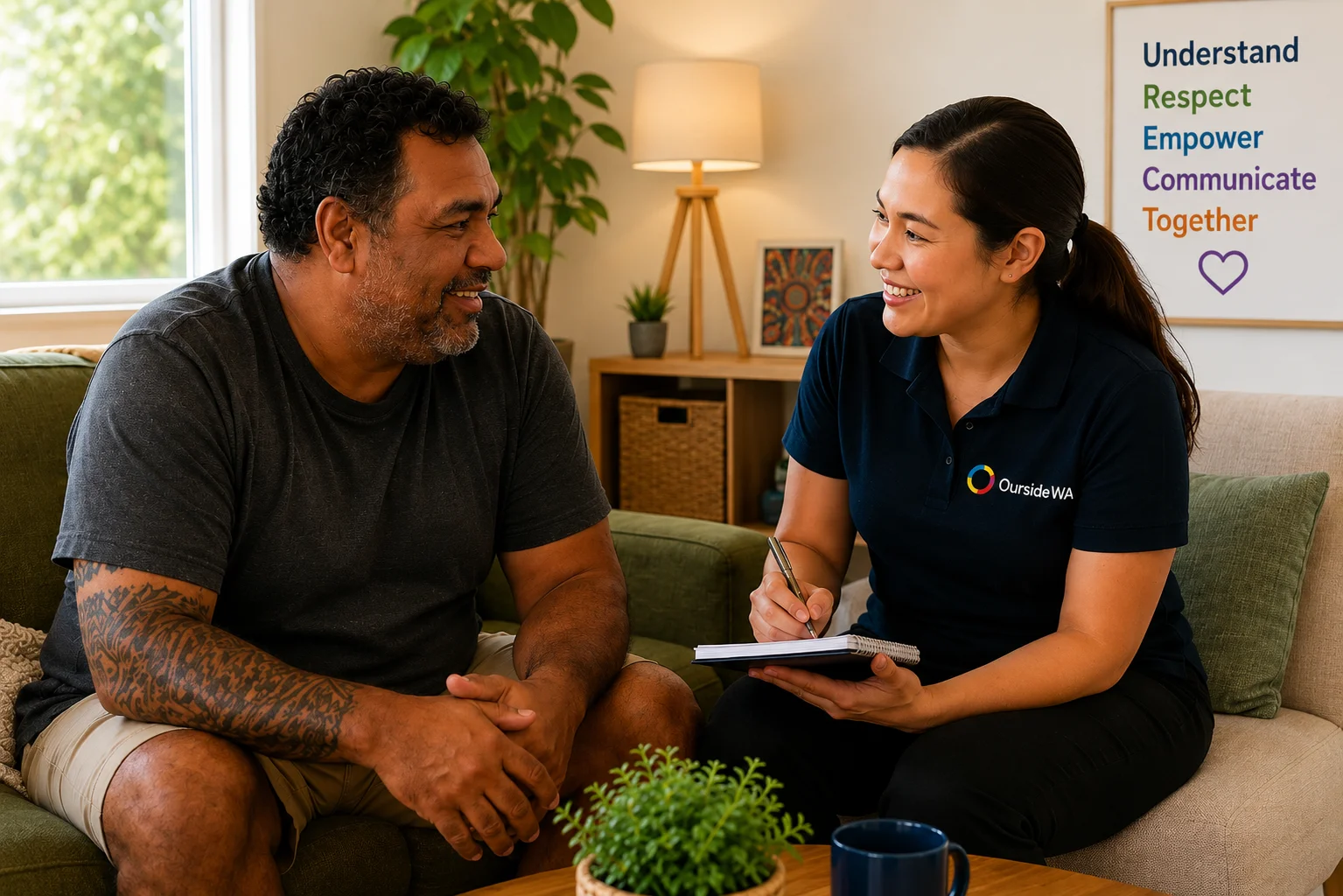
Reach out and tell us a little about yourself and what you’re looking for.
We listen & plan
We take the time to understand your goals, then shape support around them.
Tailored support begins
Your matched team delivers person-centred support that fits your life.
Ongoing partnership
We review, adapt and grow your support as your needs and goals change.
NDIS & privately funded
As a registered NDIS provider, we work with NDIS participants as well as privately funded individuals. Not sure how your funding works or what you’re eligible for? Our team is happy to help you navigate your options no obligation.
Not sure where to start?
We will support you along the way.
Our team provides advice and information. Contact us and we will help you find the right support.
Get In Touch